7 Ways To Manage Your Blood Pressure Naturally
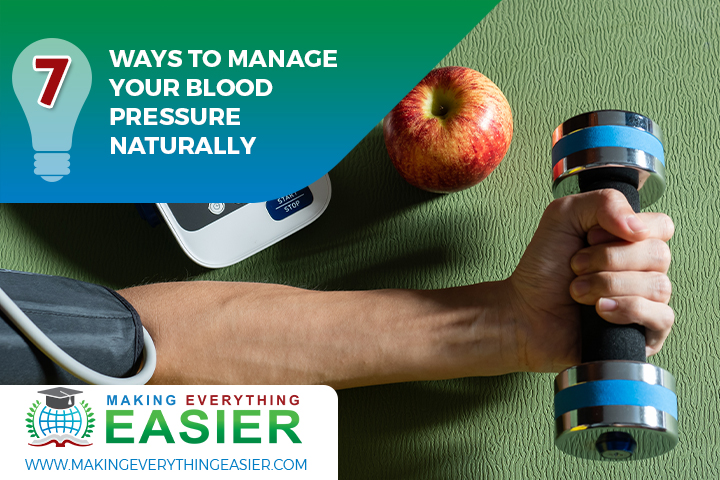

High blood pressure is one thing that you don't want to mess around with. One in every three people in America has this condition. Although it is common, high blood pressure is preventable in most cases. We will cover ways to naturally manage your high blood pressure in this article.
Left untreated, high blood pressure can lead to other serious health conditions, like stroke, heart failure, and kidney disease. What is worse is most people with high blood pressure have no symptoms. Keep reading to learn more.
1
Manage Your Stress
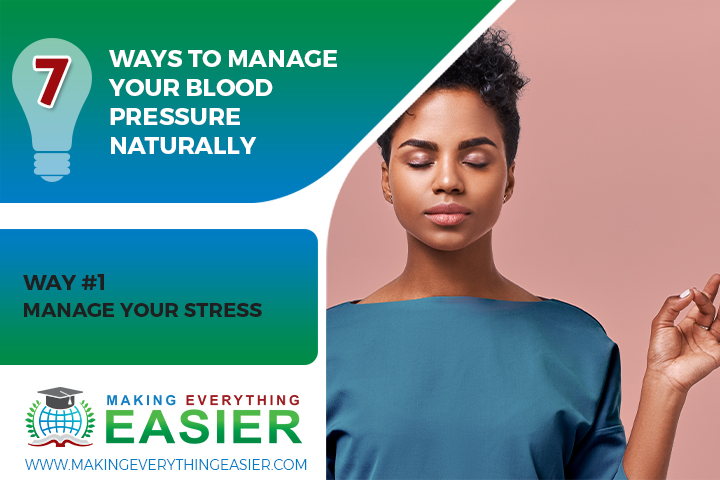
Stress is a common experience that can have a significant impact on our health. When we feel stressed, our bodies go into a "fight or flight" mode, releasing hormones like adrenaline and cortisol. These hormones increase our heart rate and blood pressure, which can be beneficial in the short term when we need to respond to a dangerous situation. However, if we experience chronic stress, these elevated levels can start to take a toll on our health. In particular, chronic stress has been linked to high blood pressure, which can lead to serious health problems, like heart disease and stroke.
Fortunately, there are ways to manage stress and reduce its impact on our health. One of the most effective ways to do this is through relaxation techniques, like deep breathing or meditation. Research has shown that these activities can help lower heart rate and blood pressure. Additionally, exercise is another great way to reduce stress and improve overall health. So if you're looking to manage your blood pressure, reducing stress should be one of your top priorities.
2
Cut Out Cigarettes
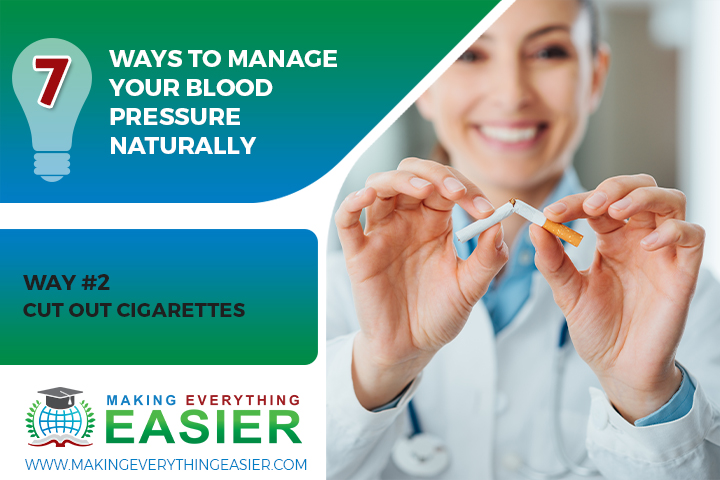
Smoking is one of the leading causes of preventable death in the United States, and it has a major impact on overall health. Cigarette smoke contains thousands of chemicals that can damage nearly every organ in the body, and smoking is a major risk factor for a wide range of chronic diseases. For example, smoking increases the risk of heart disease, stroke, cancer, lung disease, and other respiratory conditions. It also contributes to poor blood circulation and can make it difficult to manage blood pressure.
Cutting out cigarettes can have a major impact on your health, and it can be an effective way to manage blood pressure. Quitting smoking can help improve cardiovascular health, and it can also help reduce the risk of stroke and other cardiovascular conditions. In addition, quitting smoking can help improve circulation and increase the level of oxygen in the blood. These changes can all lead to better blood pressure control.
3
Use Essential Oils
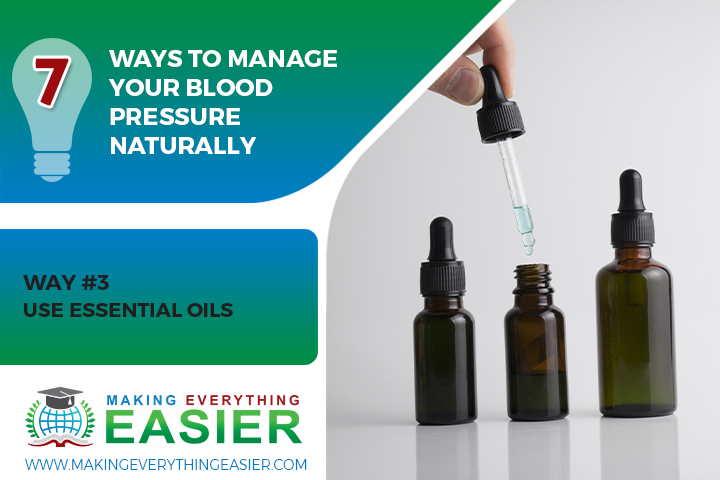
Essential oils are concentrated liquids that contain the aromatic compounds of plants. These potent extracts are typically obtained through a process of distillation or cold pressing, and they can be used in a variety of ways. Aromatherapy is one popular application for essential oils, and these natural compounds are also commonly used as ingredients in cosmetics, household cleaners, and even food. Essential oils can have powerful effects on the body, mind, and emotions, and they have been used for centuries for their healing properties.
While essential oils are most commonly associated with relaxation and stress relief, these natural compounds can also be used to support other areas of health. For example, research suggests that essential oils can help manage blood pressure. One small study found that the inhalation of lavender oil significantly reduced blood pressure in participants with hypertension. Another study found that a blend of rosemary, peppermint, and black pepper oils was effective in reducing blood pressure in both hypertensive and normotensive individuals. These findings suggest that essential oils may help manage blood pressure levels.
4
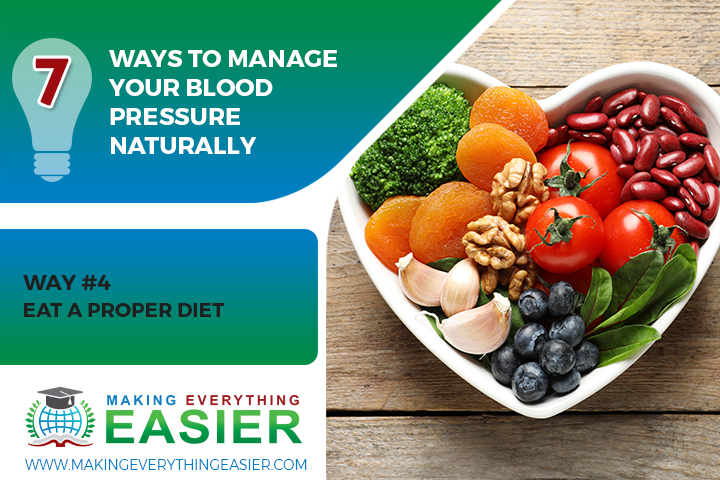
Eat A Proper Diet
A proper diet is an important part of maintaining good health. Eating a balanced diet that includes plenty of fruits, vegetables, and whole grains can help you maintain a healthy weight, get the nutrients your body needs, and reduce your risk of chronic diseases, such as heart disease, diabetes, and cancer. While there is no one "perfect" diet, making some simple changes to your eating habits can go a long way toward improving your health.
A proper diet can also help you manage your blood pressure. If you have high blood pressure, eating a healthy diet can help you lower your systolic (top number) blood pressure by up to 14 points and your diastolic (bottom number) blood pressure by up to ten points. Eating a healthy diet that includes plenty of fruits, vegetables, and whole grains can also help you prevent high blood pressure from developing in the first place. Making some simple changes to your eating habits can have a big impact on your blood pressure and your health.
5
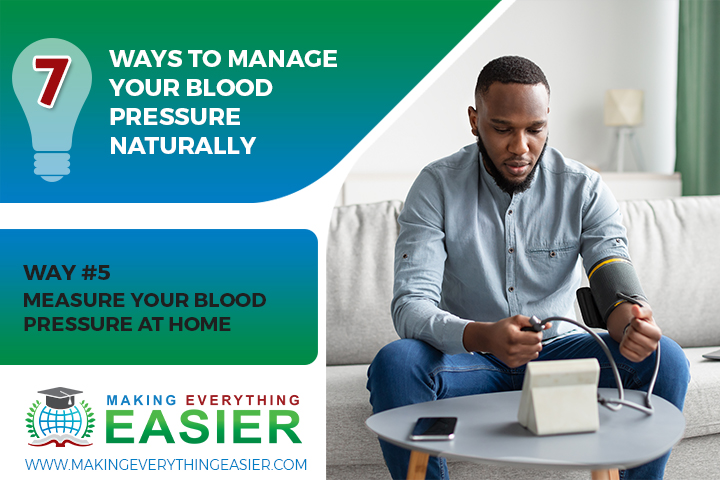
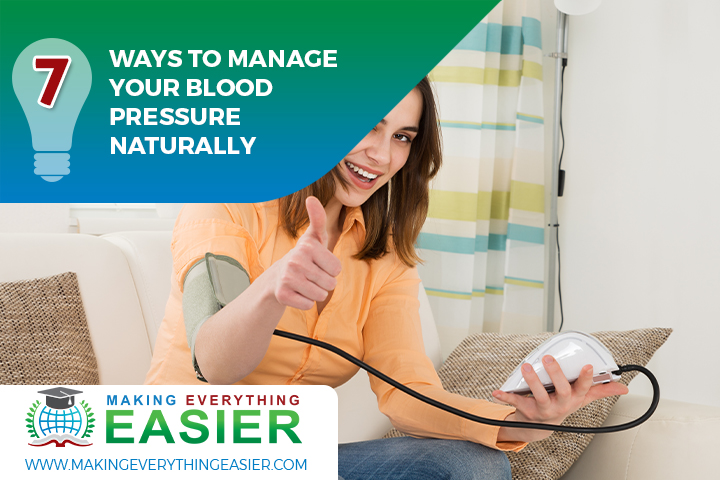
Measure Your Blood Pressure At Home
It's vital to keep track of your blood pressure for a couple of reasons. First, if it's high, it puts you at risk of heart disease, stroke, and other problems; second, even if it's normal, tracking it can help you spot trends that might indicate a problem down the road. There are a few different ways to do this. You can go to your doctor and have them take your blood pressure, or you can buy a home blood pressure monitor and take your readings. Either way, it's crucial to track your results over time so you can see any changes.
Keeping track of your blood pressure at home has a few benefits. First, it's convenient - you don't have to make a special trip to the doctor just to get a reading. Second, it can be less expensive than going to the doctor (especially if you have insurance that doesn't cover preventive visits). Third, taking your readings can help you be more engaged in your health care. And fourth, it can help you catch potential problems early on before they become more serious, so if you're not already tracking your blood pressure, talk to your doctor about whether home monitoring is right for you.
6
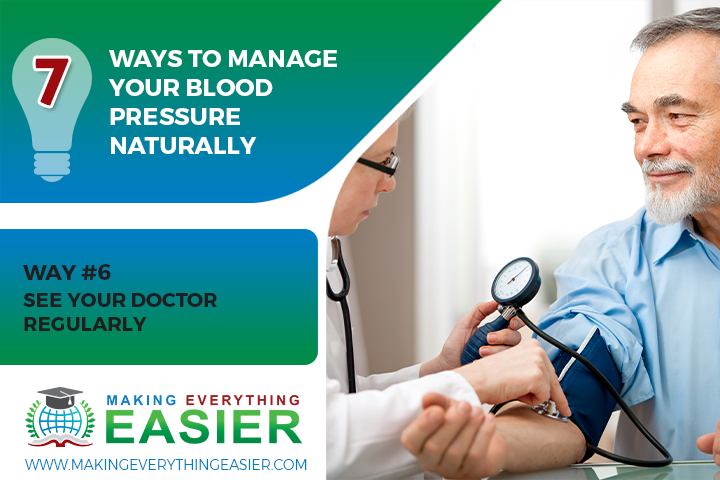
See Your Doctor Regularly
Regular checkups with your doctor are essential to maintaining good health. During a checkup, your doctor will take your vital signs and ask about any changes in your health. They will also perform a physical exam, checking for signs of illness or injury. In addition, they may order blood tests or other diagnostic tests to identify any underlying health problems. By seeing your doctor regularly, you can detect health problems early and receive treatment before they become serious.
High blood pressure is a common condition that can lead to serious health complications, such as heart disease and stroke. However, by seeing your doctor regularly, you can effectively manage blood pressure with lifestyle changes and medications. During a regular visit, your doctor will measure your blood pressure and assess your risk of developing high blood pressure. They may also recommend lifestyle changes, such as eating a healthy diet and exercising regularly, to help lower blood pressure. Seeing your doctor regularly is a crucial part of keeping your blood pressure under control.
7
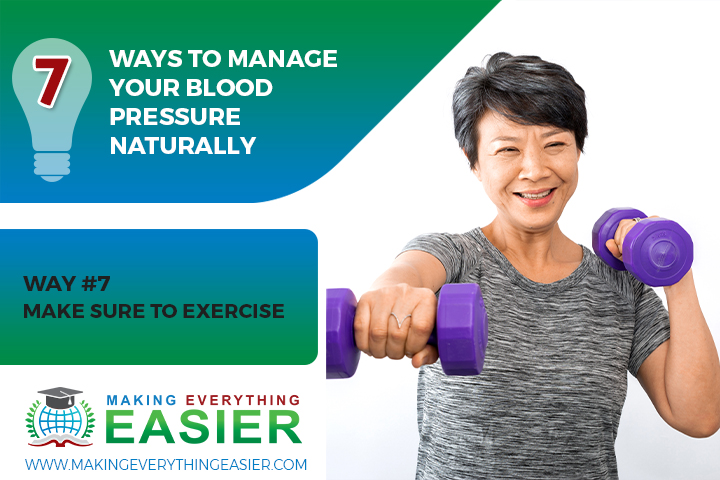
Make Sure To Exercise
Exercise is vital for overall health and wellness. Regular physical activity can help reduce the risk of chronic diseases, such as heart disease, stroke, Type 2 diabetes, and cancer. It can also help improve mental health, cognitive function, and quality of sleep. Furthermore, exercise can help you maintain a healthy weight, increase energy levels, and reduce stress. For these reasons, it is important to make time to exercise regularly.
Exercising regularly can also help manage blood pressure. High blood pressure puts extra strain on the heart and arteries and can damage the cardiovascular system. However, regular exercise helps keep blood pressure in check by making the heart stronger and improving blood flow. In addition, exercise helps reduce stress and promote weight loss, both of which are crucial for managing blood pressure. For these reasons, it is necessary to make time for regular exercise if you want to keep your blood pressure under control.
Now, you have a comprehensive list of ways to manage your blood pressure naturally! Be sure to talk to your doctor about any changes in your health and make lifestyle changes slowly to avoid any sudden changes in blood pressure. With these tips, you can maintain healthy blood pressure and reduce your risk of developing serious health complications.
It can be challenging to make lifestyle changes, but it's important to remember that you're doing it for your health. Take things one step at a time, and be patient with yourself. Soon, these changes will become second nature, and you'll be on your way to a healthier lifestyle.