7 Foods That Help Manage Blood Pressure Naturally
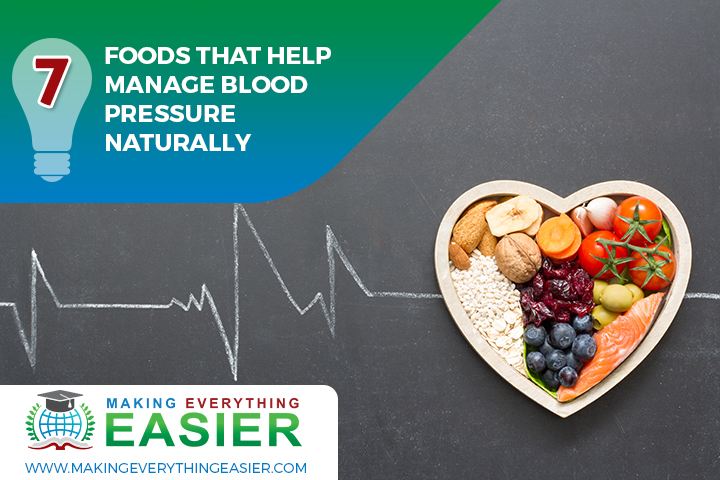

About seven of every ten people having their first heart attack have high blood pressure. About eight of every ten people having their first stroke have high blood pressure. Those statistics alone should be enough to make you want to manage your blood pressure.
What if it were as simple as changing your diet? Many people are surprised to learn that their diet plays a significant role in managing blood pressure. Making some simple dietary changes can be just as effective as taking medications without the risk of side effects. Here are seven foods that have been shown to help lower blood pressure.
1
Dark Chocolate
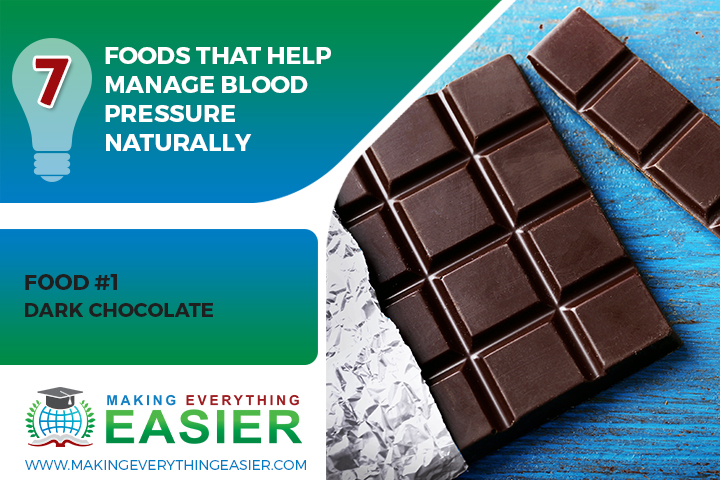
Dark chocolate is made from the seeds of the cacao tree, which is native to South America. The seeds are fermented, roasted, and ground to create a rich, flavorful paste. This paste is then combined with various ingredients, such as sugar, milk, and flavorings, to create different types of dark chocolate. Dark chocolate typically contains at least 35% cocoa solids, which gives it a distinctively bitter taste; however, the percentage of cocoa solids can vary depending on the type of chocolate. For example, semi-sweet chocolate contains around 50% cocoa solids, while bittersweet chocolate can contain up to 70% cocoa solids.
Dark chocolate can help manage blood pressure by reducing the number of stress hormones in your body and by increasing levels of HDL cholesterol. The flavonoids in dark chocolate can also improve blood vessel function and reduce inflammation. In addition, dark chocolate can help lower blood sugar levels and reduce the risk of developing Type 2 diabetes. For these reasons, dark chocolate can be a helpful part of a healthy diet for people who are struggling with high blood pressure.
2
Apple Cider Vinegar
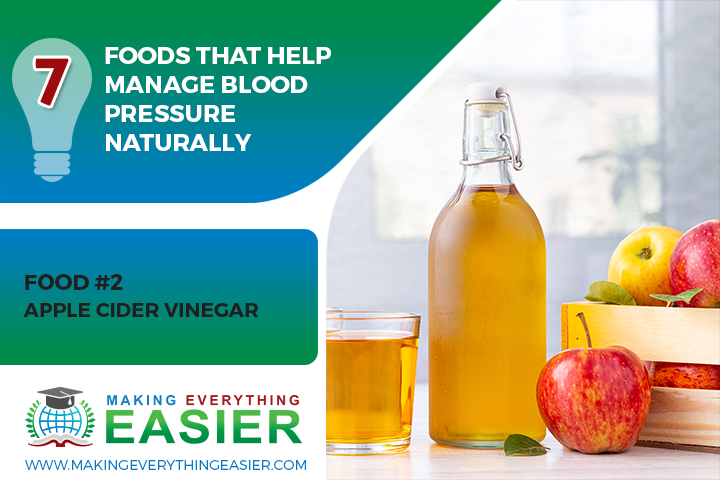
Apple cider vinegar is made by crushing apples and then allowing them to ferment. The resulting liquid is rich in acetic acid, which gives apple cider vinegar its distinctively tangy taste. In addition to being used as a food seasoning, apple cider vinegar has a long history of being used for medicinal purposes. For example, it has been used as a natural remedy for colds and indigestion. More recently, apple cider vinegar has been touted as a natural way to help manage blood pressure.
There is some evidence to support the use of apple cider vinegar for blood pressure management. One study found that people who consumed two tablespoons of apple cider vinegar per day for eight weeks had lower levels of bad cholesterol and triglycerides than those who did not consume the vinegar. Furthermore, another study found that people who consumed two tablespoons of apple cider vinegar per day had lower blood pressure levels than those who did not consume the vinegar. While more research is needed to confirm these findings, apple cider vinegar may indeed be an effective natural remedy for high blood pressure.
3
White Tea
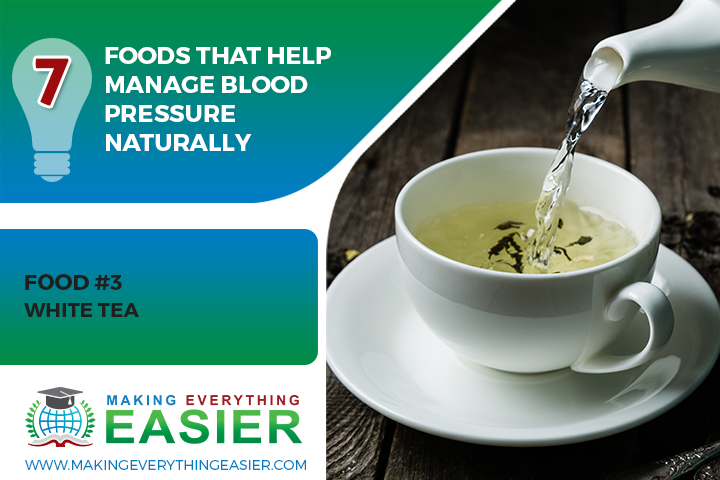
White tea is a type of tea that is minimally processed and made from the young leaves and buds of the Camellia sinensis plant. Unlike other teas, white tea is not oxidized, meaning that it retains many of its natural compounds. These include catechins, a type of antioxidant that has been linked to numerous health benefits. White tea also contains lower levels of caffeine than other teas, making it a great choice for those who are sensitive to caffeine. In addition to its unique flavor, white tea offers many potential health benefits.
One potential benefit of white tea is its ability to help manage blood pressure. High blood pressure is a major risk factor for heart disease, stroke, and other serious conditions. Studies have shown that white tea can help improve vascular function and reduce blood pressure. In one study, participants who consumed white tea for 12 weeks had significant reductions in both systolic and diastolic blood pressure. Furthermore, white tea has been shown to reduce LDL (bad) cholesterol and triglycerides, two other risk factors for heart disease; therefore, regular consumption of white tea may help reduce the risk of developing high blood pressure or other cardiovascular conditions.
4
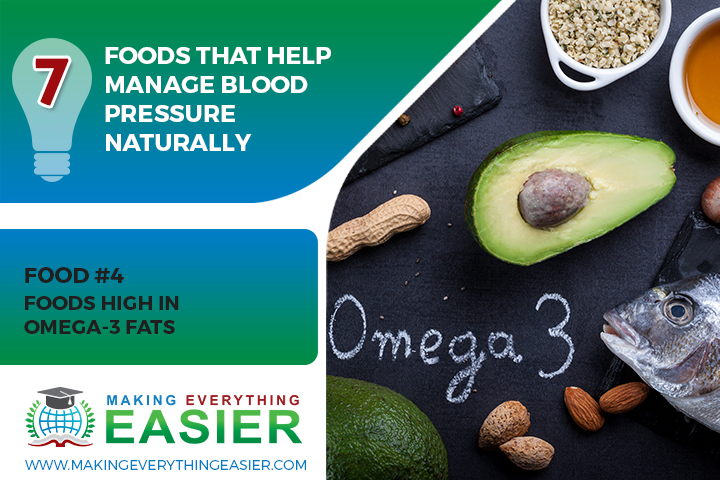
Foods High In Omega-3 Fats
Foods high in omega-3 fats are an important part of a healthy diet. These essential fats play a role in brain function, heart health, and inflammation. Omega-3 fats can be found in oily fish, such as salmon and tuna, as well as in flaxseeds, chia seeds, and walnuts. Including these foods in your diet can help improve overall health and reduce the risk of chronic diseases.
Foods high in omega-3 fats can also help manage blood pressure. These fats work to relax the blood vessels and reduce inflammation. As a result, they can help lower blood pressure and reduce the risk of heart disease. Omega-3 fats can also help improve cholesterol levels and reduce the risk of stroke. Including foods high in omega-3 fats in your diet is an important step in managing blood pressure and maintaining a healthy heart.
5
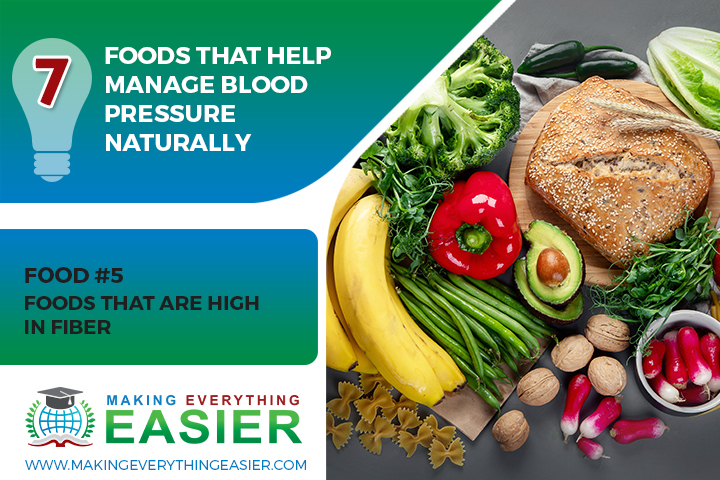
Foods That Are High In Fiber
Many foods are high in fiber. These include fruits, vegetables, whole grains, legumes, and nuts. Fiber is an important nutrient that helps keep the digestive system healthy and can also help lower cholesterol levels and blood pressure. Foods that are high in fiber are also generally low in calories and fat, making them a good choice for those who are trying to lose weight or maintain a healthy weight.
Fiber can help manage blood pressure by helping remove excess cholesterol from the body. Cholesterol is a substance that can build up in the arteries and cause them to narrow, making it more difficult for the blood to flow through. This can lead to high blood pressure. Eating foods that are high in fiber can help reduce the amount of cholesterol in the body and improve blood flow. As a result, fiber-rich foods can be helpful for those who are trying to manage their blood pressure.
6
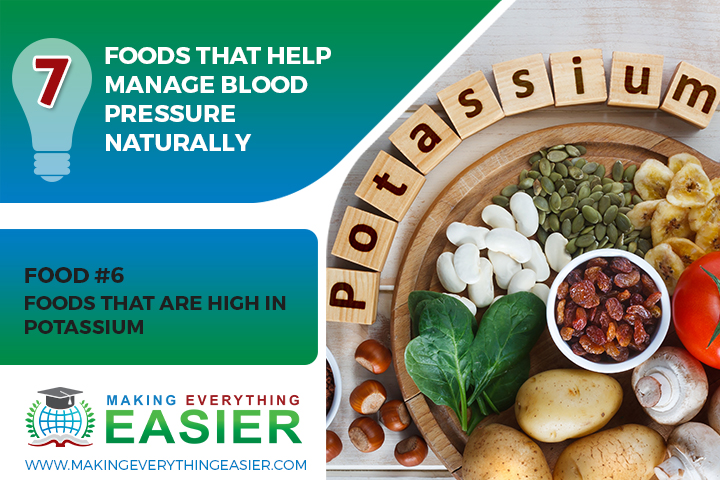
Foods That Are High In Potassium
High potassium foods are a vital part of a healthy diet. Potassium is an essential mineral that helps regulate blood pressure, fluid balance, and muscle contractions. Unfortunately, many people do not get enough potassium in their diets. This can lead to health problems, such as high blood pressure, stroke, and heart disease. Eating high-potassium foods can help prevent these problems by providing the body with the potassium that it needs.
There are many delicious high potassium foods available, including fruits, vegetables, dairy products, and meats. Fruits and vegetables are especially good sources of potassium; some of the best options include bananas, sweet potatoes, spinach, tomatoes, and white beans. Dairy products, such as milk and yogurt, are also rich in potassium. Meats, such as chicken and turkey breast, are also great sources of this essential mineral. By including these foods in your diet, you can help keep your blood pressure under control and reduce your risk of developing health problems.
7
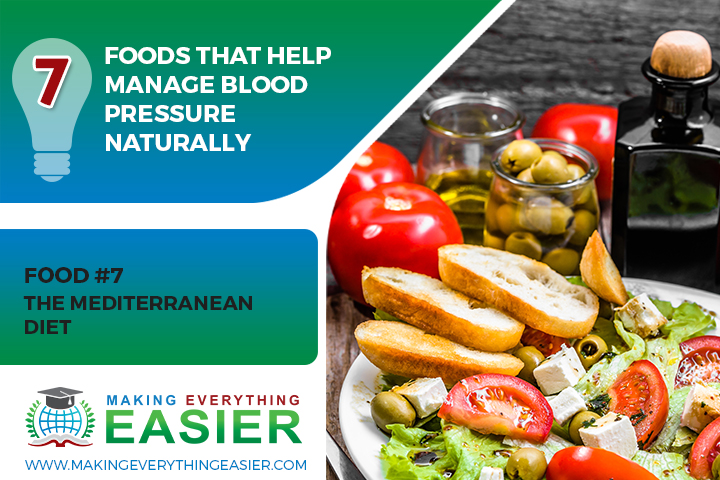
The Mediterranean Diet
The Mediterranean diet is a way of eating based on the traditional food of countries bordering the Mediterranean Sea. The exact composition of a Mediterranean diet varies between countries but typically includes a high proportion of plant-based foods, fresh fruits and vegetables, whole grains, olive oil, and fish. Some studies have shown that following a Mediterranean diet can improve heart health by reducing the risk of heart disease and stroke. The diet has also been linked with other health benefits, such as improved blood sugar control and a reduced risk of Alzheimer's disease.
While there is no one-size-fits-all approach to managing blood pressure, making some simple changes to your diet can help keep your blood pressure under control. Adding more fruits, vegetables, and whole grains to your diet can help lower blood pressure, as can consuming more healthy fats from olive oil and fish. Reducing your intake of salt and processed foods can also make a difference. By following a healthy diet, like the Mediterranean diet, you can help keep your blood pressure in check.
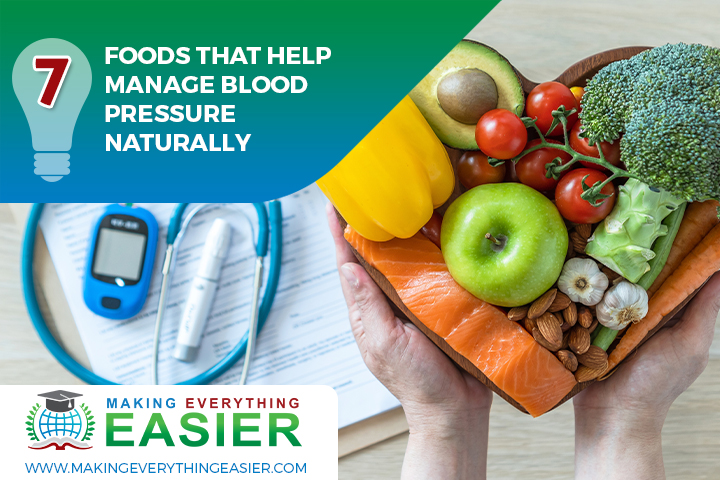
We have broken down some of the best foods to eat to help manage blood pressure for you in this article. The statistics are clear that chronic high blood pressure (hypertension) is a leading cause of heart attack, stroke, and kidney disease. The good news is that there are many things that you can do to lower your blood pressure, including changing your diet. Adding these seven foods to your diet can help you manage your blood pressure naturally.
A natural approach to managing blood pressure is always best. Adding these seven foods to your diet is a great place to start. Maintaining control of your blood pressure can help reduce your risk of serious health problems, so it is worth making some dietary changes to keep it in check.