5 Major Facts About The Keto Diet Plus How To Follow It


Millions of people are looking for a healthy way to lose weight and improve their overall health but don't know where to start. The keto diet is one of the most popular diets right now, but it can be hard to follow if you're not sure what you're doing. Educating yourself on the keto diet and understanding how it works is crucial to success.
The keto diet is a high-fat, low-carbohydrate diet that has been shown to promote weight loss and improve overall health. When following the keto diet, your body enters a state of ketosis, which is when your body burns fat for energy instead of carbohydrates. This can lead to a variety of benefits, including weight loss, increased energy levels, and improved mental clarity. There are some risks associated with the keto diet, such as kidney stones and an increased risk of heart disease, but these can be mitigated by working with a doctor and following the diet correctly.
1
What The Keto Diet Is
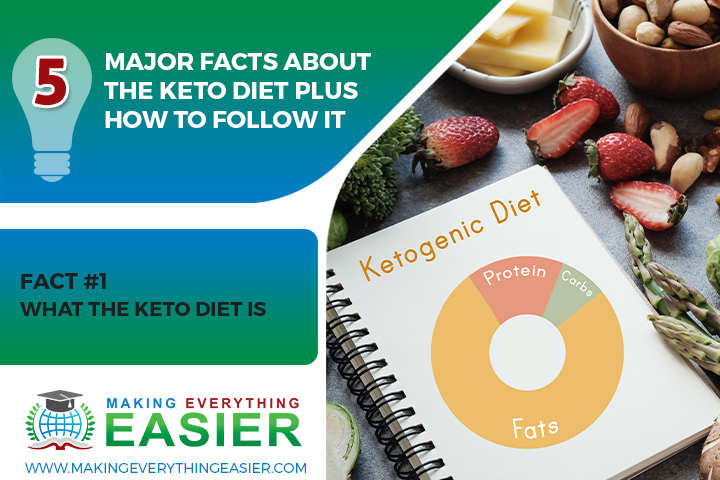
The keto diet is a high-fat, low-carbohydrate diet that promotes weight loss and helps control blood sugar levels. The keto diet is based on a metabolic state called ketosis, in which the body breaks down fat stores for energy instead of relying on carbohydrates. By following the keto diet, individuals can lose weight and improve their blood sugar levels.
The popularity of the keto diet has grown in recent years, as more people have become interested in its potential health benefits. The keto diet is effective for weight loss and blood sugar control, and it may also help reduce the risk of certain chronic diseases. There are many different ways to follow the keto diet, and there is no one-size-fits-all approach. However, all versions of the keto diet involve eating a high-fat, low-carbohydrate diet and restricting carbohydrates to encourage the body to enter ketosis.
2
How The Keto Diet Works
The keto diet is a high-fat, low-carbohydrate diet that causes the body to burn fat rather than carbohydrates. On the keto diet, the body enters a state called ketosis, in which it burns stored fat for energy. The keto diet can help people lose weight, reduce inflammation, and improve mental clarity.
The keto diet is a high-fat, low-carbohydrate diet. It causes the body to enter a state of ketosis. Ketosis is a metabolic state that occurs when the body burns fat (rather than carbohydrates) for energy.
3
The Benefits Of The Keto Diet
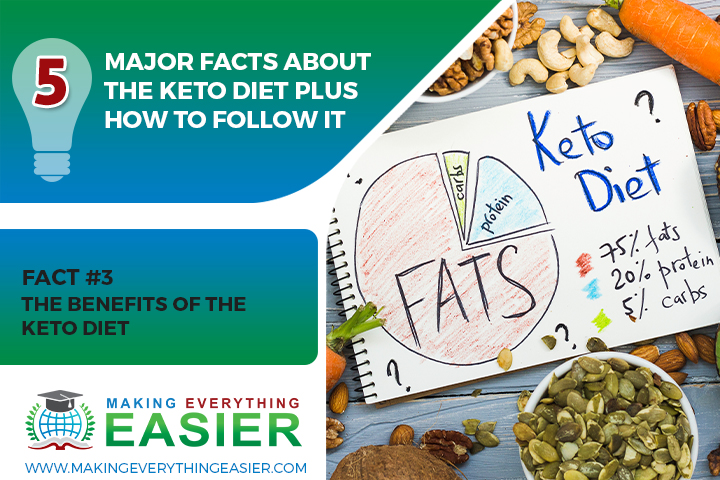
The keto diet is a high-fat, low-carbohydrate diet that has many potential health benefits. Some of the key benefits of the keto diet include weight loss, improved blood sugar levels, and reduced inflammation. The keto diet may also help reduce the risk of chronic diseases, such as cancer and heart disease. These benefits have been well-documented in scientific research.
Keto is a lifestyle change that comes with a plethora of health benefits. Some of the most common benefits people experience on keto are weight loss, more energy, and sharper mental focus. The keto diet can also help improve blood sugar levels, reduce inflammation, and reduce the risk of chronic diseases. If you're looking for a healthy way to lose weight and improve your overall health, the keto diet is a great option.
4
Who Should Not Do The Keto Diet
The keto diet is not suitable for everyone. People with certain medical conditions should not follow the keto diet. These conditions include kidney disease, pancreatitis, and hyperlipidemia. Pregnant women and young children should also avoid the keto diet. Overall, the keto diet is safe for most healthy adults.
It is a definite change to most people's eating habits, and there are a few things that you should know before starting the keto diet. For some people with certain medical conditions, the keto diet can be dangerous. While the keto diet is safe for most healthy adults, it is not suitable for everyone. If you are unsure about whether or not the keto diet is right for you, it is best to speak with a healthcare professional before making any drastic changes to your diet.
5
The Risks Of The Keto Diet
The keto diet is a high-fat, low-carbohydrate diet that can have some potential risks. These risks include constipation, fatigue, and headaches. However, the keto diet is generally safe for most people. Some people may experience side effects when they first start the keto diet, but these side effects typically go away with time.
The keto flu is a common side effect that people experience when they first start the keto diet. The keto flu is a temporary condition that can cause fatigue, headaches, and constipation. However, the keto flu typically goes away after a few days or weeks. Overall, the keto diet is safe for most people. However, there are some risks associated with the diet, and you should speak with a healthcare professional before starting the diet if you have any concerns.
How To Follow A Keto Diet Safely And Effectively
The ketogenic or "keto" diet has become one of the most popular diets in recent years. It is a high-fat, low-carbohydrate dietary approach that has gained widespread acceptance among people looking to lose weight and improve their health. While there are some risks associated with following this type of dietary approach, many people find that the keto diet can be a safe and effective way to improve their overall health.
If you're thinking of starting the keto diet, it's crucial to understand how to follow it safely and effectively. This means understanding what foods to eat (and avoid) as well as getting enough electrolytes and water. With this in mind, let's take a look at some tips on how to follow the keto diet safely and effectively.

1
Choose The Right Foods
One of the most vital aspects of following the keto diet safely is choosing the right foods. This means eating plenty of healthy fats, moderate amounts of protein, and very few carbohydrates. Some of the best foods to include in your diet are fatty fish, avocados, olive oil, eggs, and nuts.
You should also make sure to get plenty of leafy greens and low-carb vegetables. When it comes to protein, chicken, beef, and pork are all good options. And when it comes to carbs, you should stick to ones that are high in fiber, like beans, legumes, and vegetables.

2
Get Enough Electrolytes
Another essential aspect of following the keto diet safely is getting enough electrolytes. This is because when you restrict carbohydrates, your body excretes more water and electrolytes. This can lead to dehydration and electrolyte imbalances, which can be dangerous.
To avoid these problems, make sure to drink plenty of fluids and supplement with electrolytes. Good options include bone broth, coconut water, and sports drinks. You can also get electrolytes from certain foods, such as avocados, nuts, seeds, and dark green leafy vegetables.

3
Drink Plenty Of Water
In addition to getting enough electrolytes, it's also vital to drink plenty of water when following the keto diet. This will help prevent dehydration and ensure that your body is getting the fluids it needs. Aim to drink eight to ten glasses of water per day.

4
Avoid Processed Foods
Processed foods are often high in carbohydrates and low in nutrients. For this reason, they should be avoided when following the keto diet. Instead, focus on eating whole, unprocessed foods that are high in healthy fats, proteins, and vegetables.

5
Get Enough Sleep
Getting enough sleep is essential for overall health and well-being. It's also especially vital when following the keto diet. This is because sleep deprivation can lead to carb cravings and poor food choices. Aim to get seven to eight hours of sleep per night. If you have trouble sleeping, there are a few things you can do to improve your sleep quality, such as avoiding caffeine in the evening, establishing a regular sleep schedule, and creating a relaxing bedtime routine.
6
Avoid Stressful Situations
Stress can also lead to carb cravings and poor food choices. For this reason, it's important to avoid stressful situations when possible. If you can't avoid stress, there are a few things that you can do to manage it, such as exercise, meditation, and deep breathing.

7
Speak With Your Doctor
If you have any underlying health conditions or take medication, it's important to speak with your doctor before starting the keto diet. This is because the diet may interact with certain medications or exacerbate certain health conditions. For example, people with diabetes may need to adjust their medication dosage when following the keto diet.
People with heart diseases may need to be careful not to overeat saturated fat. Your doctor can help you determine if the keto diet is safe for you. He can make any necessary adjustments to your medication or diet.

8
Supplement Your Diet
Even if you're eating a well-rounded diet, there are a few key nutrients that you may be lacking on the keto diet. This is because some foods that are rich in these nutrients are high in carbs and are, therefore, off-limits if you're on the keto diet. Some of the most essential nutrients to supplement include omega-3 fatty acids, magnesium, and vitamin D. You can get these supplements from food sources or supplements.
9
Listen To Your Body
Last but not least, it's important to listen to your body when following the keto diet. This means paying attention to your hunger cues and eating when you're hungry. It also means listening to your body when it comes to exercise. If you're feeling tired or rundown, it's okay to take a break from exercise or cut back on the intensity.
Additionally, if you're not seeing the results that you want, don't be afraid to make adjustments to your diet. For example, you may need to increase your fat intake or eat more frequently if you're not losing weight. Or you may need to add more carbs if you're feeling sluggish. The key is to experiment and find what works best for you.

The keto diet is a high-fat, low-carbohydrate diet that can have many potential health benefits. Some of the key benefits of the keto diet include weight loss, improved blood sugar levels, and reduced inflammation. The keto diet may also help reduce the risk of chronic diseases, such as cancer and heart disease. These benefits have been well documented in scientific research.
Keto is a lifestyle change that comes with a plethora of health benefits. Some of the most common benefits people experience on keto are weight loss, more energy, and sharper mental focus. The keto diet can also help improve blood sugar levels, reduce inflammation, and reduce the risk of chronic diseases if you're looking for a healthy way to lose weight and improve your overall health.