5 Important Things You Need To Know About Sucralose

In a world where people are looking for healthier alternatives to sugar, sucralose is often seen as the best option. Sold under the brand name Splenda, sucralose is a calorie-free artificial sweetener made from sugar. Sucralose is about 600 times sweeter than table sugar and doesn't contain any of the nutrients that are found in natural sugars.
Sucralose was approved by the United States Food and Drug Administration (FDA) in 1998 as a general-purpose sweetener, and it can be found in many reduced-calorie and diet foods and beverages. It's especially popular in "sugar-free" products because it doesn't contain any calories.
Despite its popularity, there are concerns about the health profile of sucralose. A recent review by the European Food Safety Authority (EFSA) found that there is a lack of evidence to support the claim that sucralose is safe for human consumption. The review also found that there are potential health risks associated with long-term use of sucralose, including cancer risk.
The many sucralose side effects and dangers can't be ignored. If you're looking for a healthier alternative to sugar, opt for healthier sugar substitutes that give your recipes natural sweetness and provide antioxidants, vitamins, minerals, and even fiber. Keep reading to learn more about things you need to know about sucralose.
1
Side Effects And Dangers
Despite its popularity, there are concerns about the health profile of sucralose. A recent review by the European Food Safety Authority (EFSA) found that there is a lack of evidence to support the claim that sucralose is safe for human consumption. The review also found that there are potential health risks associated with long-term use of sucralose, including cancer risk.
It took a while for the potential health risks of sucralose to be taken seriously because of the intense marketing campaign done by the manufacturer. Sucralose is now known to potentially cause cancer, and there are also concerns about other health risks associated with the long-term use of the sweetener. Despite these concerns, sucralose remains popular because it is much sweeter than sugar and does not have the same bloody aftertaste that some other sugar substitutes do.
2
Foods And Uses
Sucralose is a calorie-free artificial sweetener made from sugar. Sucralose is about 600 times sweeter than table sugar and doesn't contain any of the nutrients that are found in natural sugars. It was approved by the United States Food and Drug Administration (FDA) in 1998 as a general-purpose sweetener, and it can be found in many reduced-calorie and diet foods and beverages. Despite its popularity, there are concerns about the health profile of sucralose, including cancer risk.
Sucralose is often used as a sugar substitute in products such as soft drinks, yogurt, cereal bars, ice cream, jams, jellies, candied fruit, baked goods, sauces, dressings, and tabletop sweeteners. Sucralose is especially popular because it doesn't have any calories and does not have a bitter aftertaste like some other sugar substitutes do. However, there are concerns about the potential health risks associated with the long-term use of sucralose. These risks include an increased cancer risk.
3
The Safety Of Sucralose
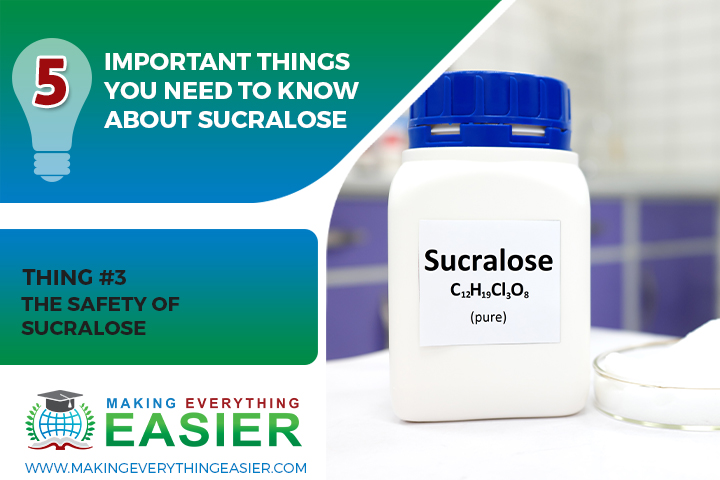
Many people are concerned about the safety of sucralose, a common artificial sweetener. While some research has shown that it may be harmful to your health, other studies have found that it is safe for use. Let's take a closer look at the evidence to see which side is right. Sucralose is an artificial sweetener that was first discovered in 1976 by scientists who were looking for a new way to make sugar from sugar cane; it is made from sugar but has been chemically altered so that it does not break down in the body and is 600 times sweeter than sugar; it is commonly used in food and beverage products as a low-calorie alternative to sugar and other artificial sweeteners. Despite its widespread use, there are concerns about the safety of sucralose.
Some research has shown that it can cause damage to the liver and kidneys, can interfere with our hormones, and may be carcinogenic; however, other studies have found no evidence of harm caused by sucralose and say that it is safe for human consumption. So which side is right? It is difficult to say for sure whether or not sucralose is safe. The research on this topic is mixed, and there are conflicting reports; however, the weight of evidence seems to be in favor of safety. Most studies have found no harmful effects from sucralose, and it is generally considered to be a safe artificial sweetener; if you are concerned about the potential risks, you can always choose another artificial sweetener or stick with sugar.
4
Sucralose Vs. Stevia Vs. Aspartame
There are several artificial sweeteners on the market, but which is the best one for you? Here, we will take a look at three popular options: sucralose, stevia, and aspartame. If you're looking for a zero-calorie artificial sweetener, then your best bet is sucralose. This sweetener is made from sugar, but it has been chemically altered so that it is not metabolized by the body. This means that it doesn't contribute to weight gain or provide any calories.
Stevia is another popular artificial sweetener. It's derived from a plant, and it's much sweeter than sugar. However, it doesn't have the same intense sweetness as sucralose, so some people prefer it. Additionally, stevia may have some health benefits, such as helping lower blood sugar levels.
Aspartame is another common artificial sweetener. Like sucralose, it's made from sugar, but it has been chemically altered, so it doesn't provide any calories. However, aspartame is much less sweet than sucralose, so it's not always the best choice for sweetening beverages or foods. Additionally, aspartame has been linked to some health concerns, such as headaches and dizziness.
So which artificial sweetener is best for you? It depends on your personal preferences. If you're looking for a zero-calorie sweetener that is very sweet, then sucralose is a great option. If you prefer a less intense sweetness or want a plant-based option, then stevia may be better for you. And if you're looking for a low-calorie option that isn't as sweet, then aspartame may be your best bet.
5
Healthier Alternatives To Sucralose
While sucralose is safe for most people, there are some potential health risks associated with its use. Here are some healthier alternatives to sucralose. Stevia is a plant-based sweetener that has been used for centuries in South America. It is about 200 times sweeter than sugar and has no calories. Additionally, stevia does not raise blood sugar levels, making it a great choice for diabetics.
Xylitol is a sugar alcohol that occurs naturally in fruits and vegetables. It is as sweet as sugar but has fewer calories and does not raise blood sugar levels. Xylitol is also good for dental health, as it helps prevent cavities.
Erythritol is another sugar alcohol that occurs naturally in fruits and vegetables. It is about 70% as sweet as sugar and has fewer calories. Erythritol does not cause bloating and gas that some people experience with other sugar alcohols. Honey is a natural sweetener that has been used for centuries. It contains vitamins, minerals, and antioxidants that can be beneficial for health; additionally, honey has antibacterial and antifungal properties.
Maple syrup is another natural sweetener that is high in nutrients. It contains vitamins, minerals, and antioxidants and is a great source of fiber. Additionally, maple syrup has a lower glycemic index than table sugar, meaning it does not cause spikes in blood sugar levels.
When it comes to choosing a healthy alternative to sucralose, it's important to consider your own preferences and needs. If you're looking for a zero-calorie sweetener, then stevia or xylitol may be a fine choice. If you want a natural sweetener that is high in nutrients, then honey or maple syrup may be better options. And if you're concerned about the potential health risks of sucralose, then any of these healthier alternatives would be a good choice.
Staying informed about the food you eat and the ingredients in your food is important for maintaining a healthy diet. Artificial sweeteners, like sucralose, can be safe for most people, but there are some potential health risks associated with their use. If you're concerned about the safety of sucralose, then consider trying one of the healthier alternatives.